
VisaProAdviserVisaProAdviser

Visas, migration and life abroad

World

50 · Latest articles

Living abroad beyond the paperwork: Ukrainians' taxes and pensions in Poland, the cost of living in Ireland, attitudes to foreigners, culture and history.

How Much It Really Costs to Buy an Apartment in Portugal: A Buyer's Experience After Renting
World

How Much It Really Costs to Buy an Apartment in Portugal: A Buyer's Experience After Renting

An apartment cost €280,380, and with taxes and fees, nearly €289,000 total. A real buyer's experience after renting, a youth tax break, and pitfalls.

By Settle Lisbon•Nov 3, 2026
Opening a Bank Account in Mexico: Residency and Tax ID Requirements
World

Opening a Bank Account in Mexico: Residency and Tax ID Requirements

Most Mexican banks require residency status before opening an account, and some also ask for an RFC tax number. Here's what to check before you apply.

By Exit Ledger•Oct 31, 2026
Inside Spain's Healthcare System: The Patient Journey and How Insurance Works
World

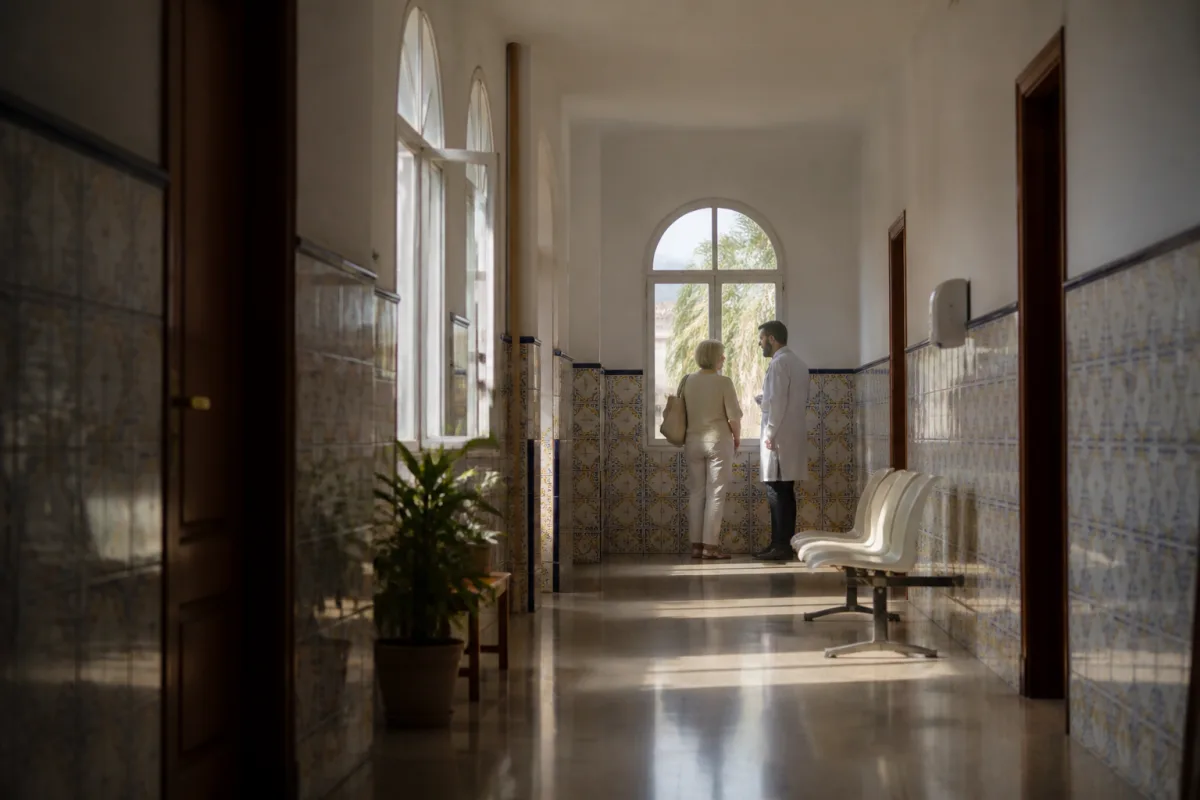
Inside Spain's Healthcare System: The Patient Journey and How Insurance Works

Public healthcare in Spain is free at the point of care; private cover runs about €60/month, social security contributions €300–400/month.

By Iberia Residency•Oct 30, 2026

Latest in World

The context of host countries

A move depends on more than a visa: the cost of living, the tax and pension system and local attitudes to newcomers matter just as much. This section gathers that context for the countries where Ukrainians and other migrants live.

History and culture sit alongside it, from reports on Ukrainian communities to past events that help explain today's immigration politics.

Living costs vary widely within Europe: rent in Dublin or Munich can take most of a salary, while smaller towns in the same country are far cheaper. Tax residence usually begins after 183 days in a country within a year, after which income is declared under local rules. Pension periods earned abroad can count in Ukraine only where a social security agreement applies, as with Poland, Czechia or Spain. Attitudes to migrants follow the economy and politics: where workers are scarce, newcomers are welcomed more readily, but the tone shifts with elections.