
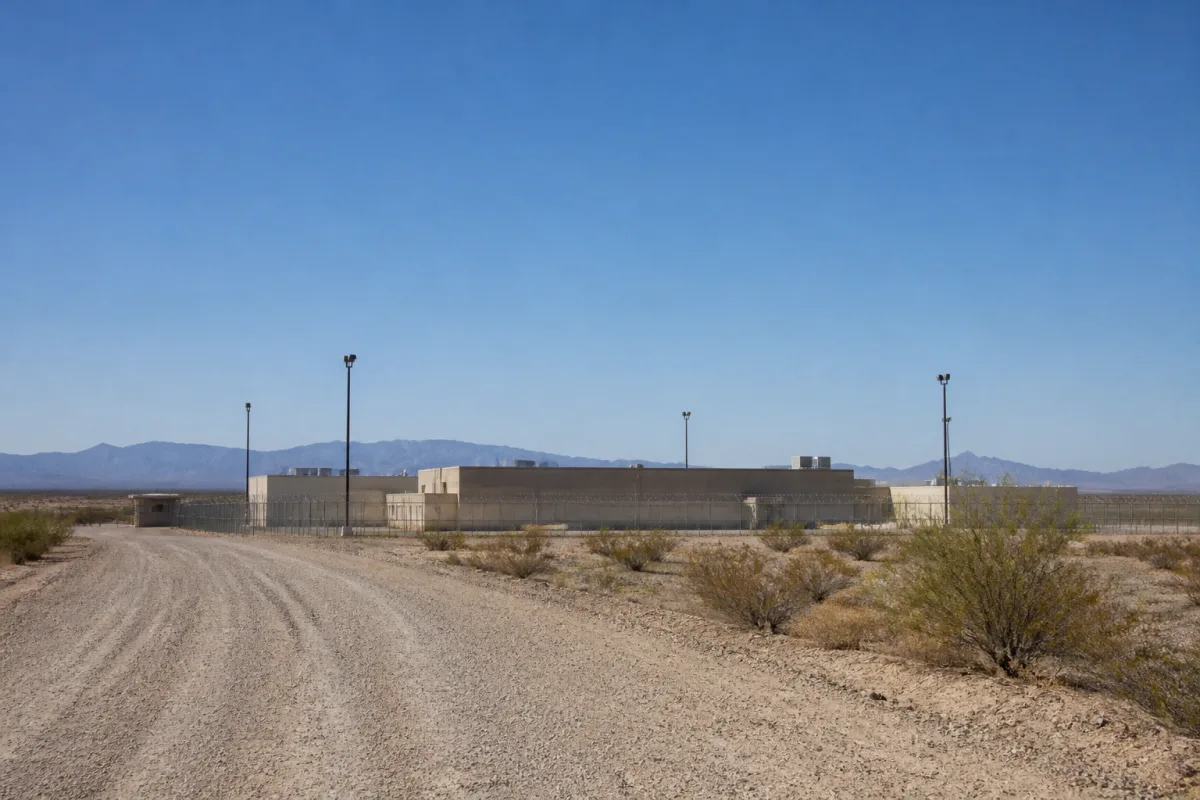

The Fifth Circuit Court of Appeals ruled that some asylum seekers held in ICE detention can no longer be released on bond and must wait out their case in custody.
In short
- As of late October 2026, the Fifth Circuit has banned bond release for some asylum seekers until their case is decided.
- The deciding factor is the manner of entry into the US, not how long someone has been in the country or whether they have legal violations.
- People who crossed the border from Mexico without inspection lose the right to bond; people who arrived on a visa keep it.
- Once a parole period (CBP One, a sponsorship program) expires, the person is treated as having entered illegally — and loses bond rights.
- Authorities can transfer a detainee from New York or California to Texas or Louisiana, where bond rights don’t apply.
What the Fifth Circuit ruled
In late October 2026, the Fifth Circuit Court of Appeals ruled that authorities may keep an asylum seeker in detention until their case is decided, if the arrest was made by ICE. Bond release and other ways out of custody no longer apply to this category — the applicant remains detained until the case is resolved.
According to news reports, the deciding factor for applying the rule isn’t how long someone has lived in the US, nor whether they have any immigration violations or legal trouble — it’s the way they entered the country. This is explained in the sections below.
Who the new rule applies to
According to news reports, whether the ruling applies has nothing to do with immigration violations — what matters is how the person entered the country. Time spent in the US doesn’t matter either: it makes no difference whether someone has been here for years or was just detained.
The single factor that determines whether the ruling applies is the manner of entry. That’s what decides whether a detained person gets access to a bond hearing or stays in detention until the case is resolved, with no option to be released for money.
There is one exception to the general rule — a category of asylum seekers the new restrictions don’t currently cover.
Not time spent in the US, not legal violations — only the manner of entry determines whether a detainee gets access to a bond hearing.
Entry categories: who’s affected and who isn’t
Each applicant’s situation depends not on their history of violations, but on how they entered the country — there are three categories.
Arrived on a visa. For this group, the ruling changes almost nothing: the right to a bond hearing remains, and if the judge finds release appropriate, the person is free while the case proceeds.
Crossed the border from Mexico without inspection. These are people who entered the US outside a port of entry — without encountering border authorities and without initial document processing. The ruling’s text refers to this directly as entry without inspection, and this group is the primary target of the rule: if arrested by ICE, bond release is off the table until the case is approved.
Arrived via CBP One, a sponsorship program, or another form of parole. According to unconfirmed media reports, a different mechanism may apply to this category: formally, these people entered with inspection and received parole, so at first glance they wouldn’t fall under the ruling. But there’s a legal catch: once the parole period expires, the person is legally treated as if they never entered the country — as though still standing at the border. From that point on, they’re treated the same as someone who entered illegally, and the bond ban applies to them too. The problem has grown more acute because authorities have already revoked and terminated parole for people already inside the US — meaning part of this group may already fall under the new rule.
From that point on, they’re treated the same as someone who entered illegally, and the bond ban applies to them too.
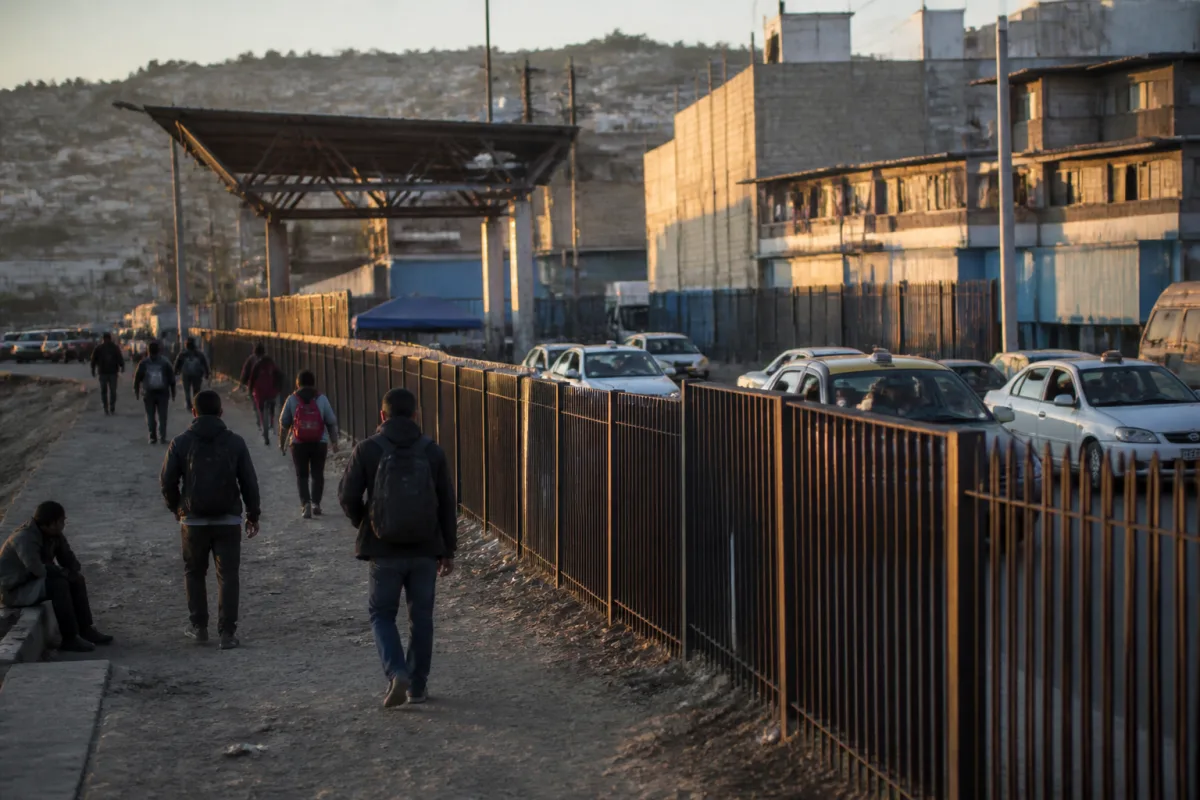
If a parole period (CBP One, a sponsorship program) has expired, the person is legally treated as never having entered the country — and loses the right to bond, even if they entered legally.
Which states enforce the bond ban
The bond ban doesn’t apply nationwide — only in two appellate circuits.
- Fifth Circuit — Texas, Louisiana, and other states under its jurisdiction.
- Eighth Circuit — according to unconfirmed reports, a similar practice may apply here too: Missouri, Iowa, and other states under its jurisdiction; this part needs further verification.
If a detainee is physically held at a detention facility in one of the states within these two circuits, no bond hearing is available — the entire process happens in custody. The deciding factor isn’t where ICE made the arrest, but which state the detention facility itself is in.
Where being held in detention cancels bond rights
The deciding factor is the state where the detention facility is physically located.
- Fifth CircuitTexas, Louisiana, and other states in the circuitofficially in effect
- Eighth CircuitMissouri, Iowa, and other states in the circuitbased on unconfirmed media reports
The bond ban doesn’t apply nationwide — only to people physically held in Fifth Circuit detention (Texas, Louisiana) or, reportedly, Eighth Circuit detention (Missouri, Iowa).
Transfers to circuits with no bond rights
Even an asylum seeker arrested in New York or California isn’t safe from the bond ban: according to news reports, authorities sometimes transfer detainees from more favorable jurisdictions into the Fifth or Eighth Circuit — Texas, Louisiana, Mississippi, and other states where bond isn’t available. Where the arrest actually happened doesn’t matter at that point: the person is held in detention under the rules of whichever circuit they were moved to, until their case is resolved.
Where the arrest actually happened doesn’t matter at that point: the person is held in detention under the rules of whichever circuit they were moved to, until their case is resolved.
Detainees held in the Second Circuit (New York) or Ninth Circuit (California) have a minimal chance of avoiding transfer — authorities sometimes leave them in detention in the same state, in which case the right to bond remains. But that shouldn’t be counted on: this is more the exception than the rule.
Even a transfer to Louisiana or Texas doesn’t automatically mean losing the case — the outcome still depends on the specific judge and the circumstances of the hearing.
Being arrested in New York or California doesn’t guarantee bond rights: authorities can transfer an applicant to Texas or Louisiana, where the rules of the receiving circuit apply instead.
Chances of bond by circuit of detention
Table scrolls sideways
| Circuit of detention | Second Circuit (New York) | Ninth Circuit (California) | Fifth Circuit (Texas, Louisiana) | Eighth Circuit (Missouri, Iowa) |
|---|---|---|---|---|
| Right to bond | remains, if not transferred | remains, if not transferred | ruled out | reportedly ruled out |
| Risk of transfer | exists | exists | — | — |
| How reliable is this practice | more the exception than the rule | more the exception than the rule | officially in effect | needs further verification |
According to news reports, a transfer to a circuit without bond rights doesn’t guarantee losing the case — the outcome still depends on the judge and the circumstances.
Why the courts disagree, and when to expect a Supreme Court ruling
The split arose because appellate circuits interpret the right to bond release differently for someone who entered the US without inspection — some courts recognize that right, others deny it. The Supreme Court has taken up the question, and whatever it decides will apply at the federal level — one rule for every state, with no circuit-by-circuit split. There’s no known timeline for a decision; observers estimate the review could take about a year.
The Supreme Court has two paths. One is to side with the circuits that deny bond hearings to asylum seekers who crossed the border from Mexico. The other is to find that the manner of entry doesn’t matter, and that release remains possible if a judge decides so at a bond hearing. Until a ruling comes down, practice in each circuit stays as it is.

What this means if you’re already in detention or preparing to apply
ICE is currently arresting asylum seekers frequently and in large numbers — anyone who didn’t arrive on a visa is at risk, including those who crossed the border from Mexico outside a port of entry. Ending up specifically in a Fifth or Eighth Circuit detention facility means losing the option of bond release: the case has to proceed while the person remains in custody.
In practice, being held in custody makes it hard to properly prepare a case, rehearse direct testimony with an attorney, or practice answers to a judge’s questions — the applicant doesn’t have access to the conditions needed to do that outside detention.
In practice, being held in custody makes it hard to properly prepare a case, rehearse direct testimony with an attorney, or practice answers to a judge’s questions
Getting asylum approved in 2026 realistically requires a well-prepared, carefully built case that accounts for all the changes from 2025–2026 — proclamations, new rules, and court precedents. The earlier a case is prepared and strengthened with these changes in mind, the lower the risk that an arrest and transfer to a circuit without bond rights will catch the applicant unprepared.



Comments
Reader experience is useful, but it is not advice: check the rules on the official site.
No account needed: click Sign in, type any name, and you are done.