
VisaProAdviserVisaProAdviser

Visas, migration and life abroad

J-1 Exchange Visitor Visa

J-1 visa issues for exchange visitors: consular interviews and denials, the 212(e) home residency rule, physicians sponsored by ECFMG and duration of status.

8 articles tagged J-1 Visa

Articles tagged “J-1 Visa”

How the J-1 Exchange Visitor Program Works

The J-1 is a nonimmigrant visa for participants in the Exchange Visitor Program, which the U.S. Department of State administers through designated sponsor organizations. The sponsor issues Form DS-2019, the Certificate of Eligibility for Exchange Visitor (J-1) Status, and only then can the applicant pay the SEVIS fee, file the DS-160 and attend a consular interview. Categories include students, research scholars, professors, interns, trainees, au pairs and foreign medical graduates, while spouses and children travel on J-2 visas.

Many exchange visitors are subject to the two-year home-country physical presence requirement under section 212(e) of the Immigration and Nationality Act. It applies when the program was government-funded, when the person's skills appear on their country's Exchange Visitor Skills List, or when they came for graduate medical education or training. Until the requirement is met or waived, the person cannot obtain H or L status or a green card, and the waiver recommendation comes from the Department of State's Waiver Review Division before USCIS makes the final decision.

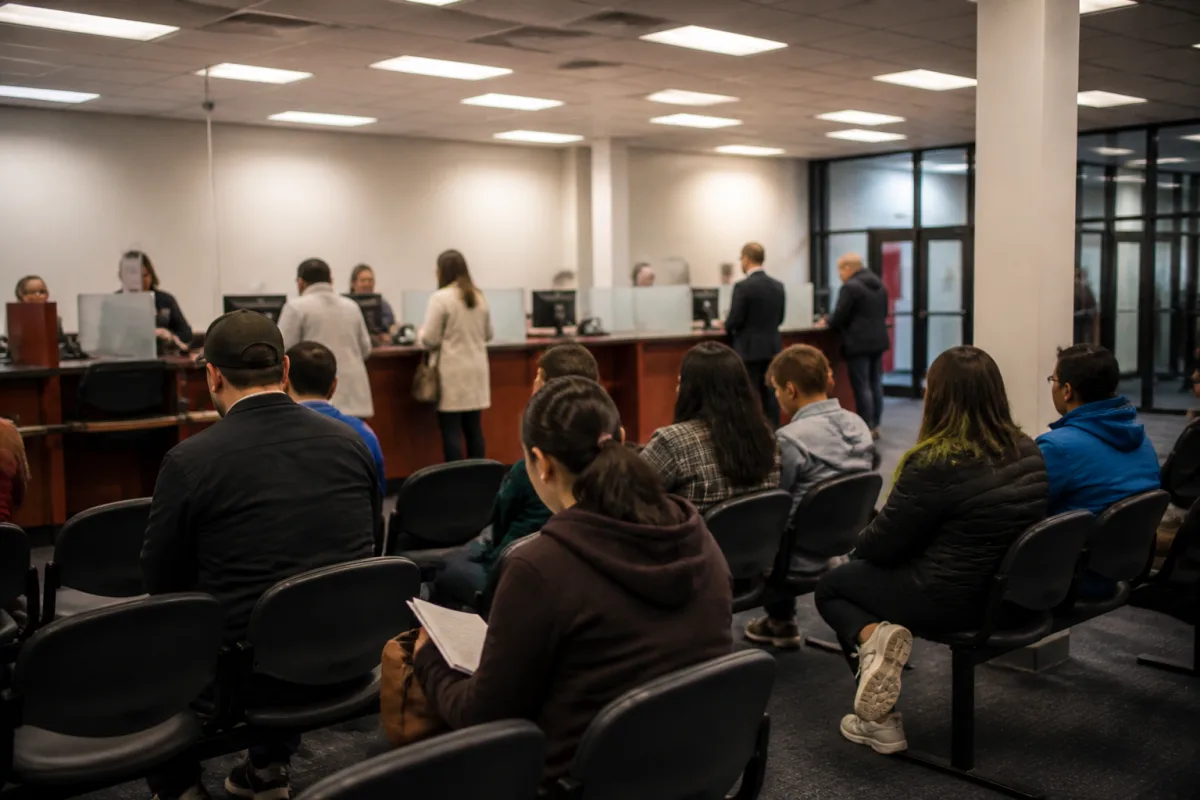
At the interview, J-1 applicants must overcome the presumption of immigrant intent under section 214(b) by showing ties to their home country and a genuine exchange purpose. J-1 holders have traditionally been admitted for duration of status, marked D/S on Form I-94, rather than until a fixed date.